
Published on 2026-04-07
Safe and effective healthcare starts with the tiny parts inside medical devices. The medical components manufacturing process requires complex techniques and adherence to stringent quality standards. That’s why it’s essential to understand how medical components are made and who makes them.
Table of Contents
Medical Components Manufacturing: A Market Demand Overview
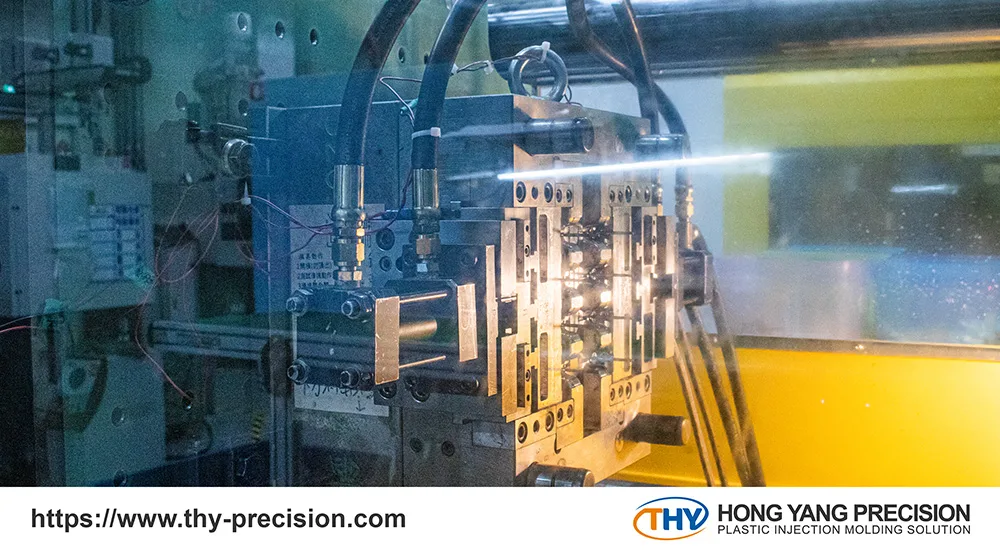
The global healthcare expenditure is growing. By 2029, it’s projected to reach 6.31% of global GDP — a substantial financial commitment to healthcare worldwide.
The aging population, prevalence of chronic illnesses, and medical advancements have driven a rise in demand for medical component manufacturing. The market size is projected to hit USD 24.03 billion in 2032, growing at a CAGR of 5.1% from 2024 to 2032.
This means that producing high-quality, precision-engineered medical components is more important than ever to meet patients’ needs.
Medical Components Manufacturing: Regulatory Requirements and Classification
As the market for medical components expands, so does the need for product quality assurance. The FDA strictly regulates medical components. They’re classified into these three categories based on risk of use:
1. Class I
Class I medical devices are low-risk and have the least regulatory controls. These include simple, non-invasive, everyday devices like surgical gloves and stethoscopes. They adhere to general controls, such as good manufacturing practices and device listing, but are usually exempt from the 510(k) premarket notification pathway and approval (PMA).
2. Class II
These are moderate-risk devices that require more regulatory controls than Class I devices. Think wheelchairs, infusion pumps, and some pregnancy test kits. In addition to general controls, they must meet special performance standards, like a 510(k) premarket notification, to be sold in the US.
3. Class III
Class III medical devices are the highest-risk class and must follow the most stringent regulatory controls. These devices, such as implantable pacemakers and heart valves, often support or sustain human life, so they require the FDA’s premarket approval (PMA) to ensure their safety and effectiveness.
Medical Components Production: The 6 Essential Manufacturing Techniques
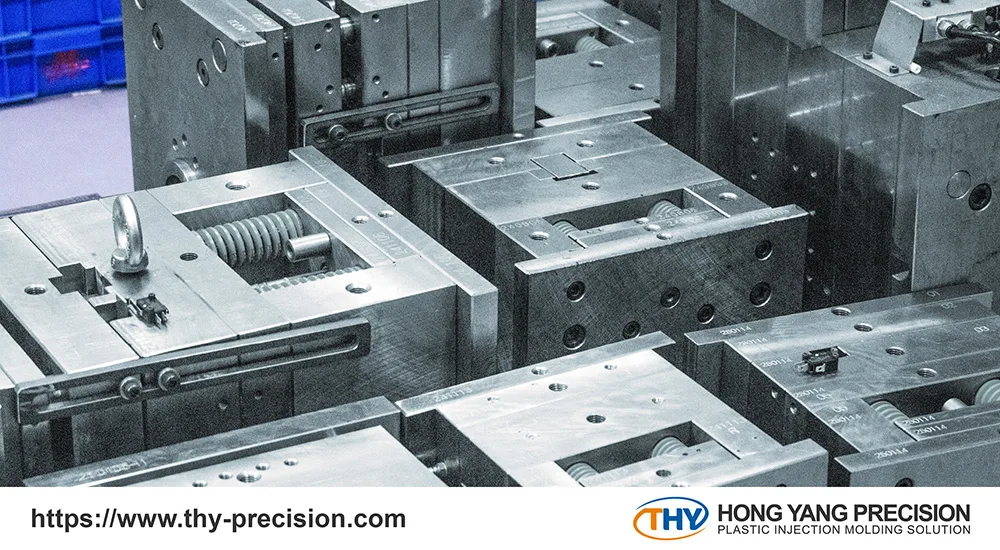
Here are six essential medical components manufacturing techniques that play a key role in producing high-quality products:
1. CNC Machining
Computer Numerical Control (CNC) machining is a subtractive manufacturing process that uses automated, high-precision tools to cut away materials. It can create highly precise components, making it ideal for producing complex shapes like those seen in surgical instruments and orthopedic implants. However, because of its high start-up cost, it’s best for higher-volume production.
2. Injection Molding
Injection molding is often the preferred method for high-volume production of plastic medical devices—disposable syringes, plastic housings, and test tubes—because it delivers precise and repeatable results.
The process is compatible with various materials, making it versatile enough to meet specific biocompatibility, sterilization, and performance requirements.
3. Fused Deposition Modeling (FDM)
Fused deposition modeling (FDM) is a low-cost option for rapid prototyping or customized medical devices, such as scaffolds, splints, and prosthetics.
The 3D printing technology allows it to create quick design iterations in short lead times. It’s also compatible with thermoplastic materials, including PLA, ABS, and nylon.
4. Stereolithography (SLA)
Stereolithography (SLA) is another commonly used 3D technology for rapid prototyping. It produces parts with intricate details but less material strength. However, it enables the production of highly customizable designs tailored to a patient’s autonomy—for example, patient-specific surgical guides or hearing aids.
5. Selective Laser Sintering (SLS)
Selective laser sintering (SLS) is a top choice for strength and high accuracy. This powder-based 3D printing technology is commonly used to produce functional prototypes, custom orthotic devices, and biomedical implants. Unlike most additive manufacturing processes, it builds parts without support structures.
6. Metal printing
Metal printing is best for complex designs where material durability is crucial, such as custom titanium implants or intricate surgical tools. It works with various biocompatible metals, including stainless steel, cobalt, and titanium alloy. While it is a higher-cost option, it offers long-term value.
Choosing the Right Manufacturing Partner: Ensuring Quality and Market Competitiveness
It takes expertise and experience to meet the demanding requirements of medical component production. In medical components manufacturing, choosing the right partner is crucial. So, what do you need to consider when selecting a manufacturing partner?
1.Does the manufacturer hold ISO certification?
ISO certifications ensure compliance with global medical quality standards. Choosing a manufacturer with the necessary ISO certifications means you have quality assurance.
ISO 13485 is especially important because it’s the global benchmark for quality management systems (QMS) in the medical device manufacturing industry.
2.Does the manufacturer have expertise in regulatory compliance?
FDA regulations for medical device manufacturing are complicated. Manufacturers with expertise in regulatory compliance can save you a lot of trouble. They minimize the risk of delays or recalls due to non-compliance.
Manufacturers looking to enter the US market should clearly understand FDA 21 CFR Part 820 and have experience with 510(k) premarket notifications, PMAs, and other regulatory pathways.
3.Does the manufacturer offer comprehensive solutions?
Choose manufacturers that offer a one-stop solution. A centralized approach reduces the need to coordinate with multiple suppliers and minimizes potential delays. It also makes supply chain management more manageable and ensures consistent quality throughout the process.
4.Does the manufacturer operate in a cleanroom environment?
Clean rooms prevent particles and dust from contaminating products and maintain a controlled manufacturing environment. Manufacturers that use cleanrooms show a commitment to quality and safety. For example, THY Precision operates an ISO 8 cleanroom for molding and an ISO 7 for assembly.
THY Precision: Your Trusted Partner in Medical Component Manufacturing
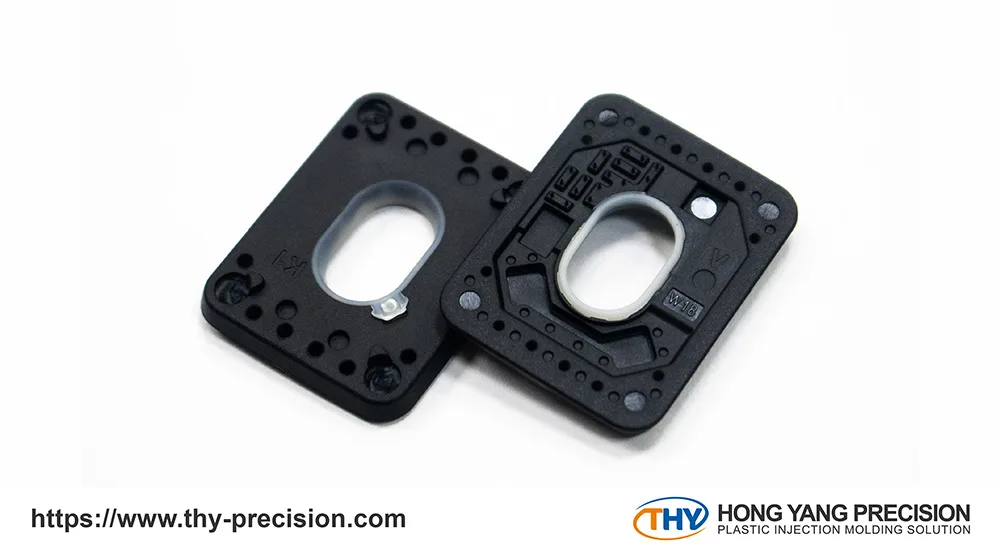
The medical device market will only get bigger. Choosing a medical component manufacturer that prioritizes quality, compliance, and innovation is your most significant competitive edge.
With an ISO 13485 certification, THY Precision is dedicated to meeting the highest industry standards. Our one-stop solution covers the entire manufacturing process while our cleanrooms guarantee consistent and quality production.
Years of experience make a difference — Contact us now for a trustworthy partner.
Learn more
IV Set Components: Essential Parts and Their Roles in Healthcare
Design for Medical Devices: Turning Concepts into Market Launch