
Published on 2026-07-13
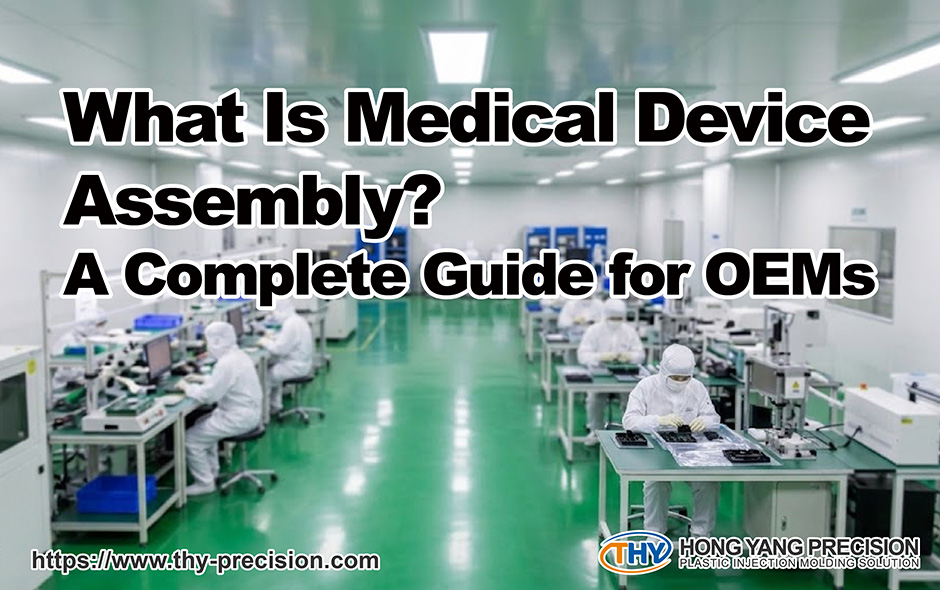
Medical devices are used in sensitive healthcare settings, where small assembly variations can affect safety, performance, and compliance.
For OEMs, medical device assembly requires precision, cleanliness, traceability, and consistent quality control. From disposable devices to implantable tools, proper assembly helps ensure each product meets strict functional and safety requirements.
In this article, we’ll explain what medical device assembly is, why it matters, what equipment supports the process, and how OEMs can choose the right assembly partner.
Table of Contents
What Is Medical Device Assembly and Why Is It Important?
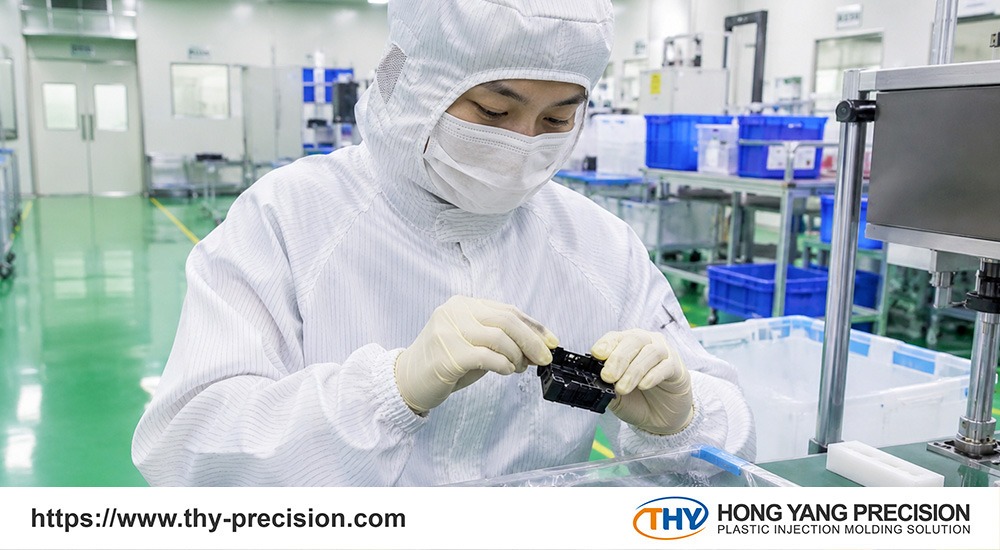
Medical device assembly refers to the controlled process of building medical products from individual components through bonding, welding, fastening, testing, and inspection.
Unlike general industrial assembly, it requires a higher level of process control because the finished device may be used in diagnosis, treatment, monitoring, or direct patient care.
The process covers a wide range of products, from disposable devices and diagnostic components to monitoring equipment, surgical tools, and implantable parts. For OEMs, a reliable assembly process helps maintain product consistency, reduce quality risks, and support regulatory readiness throughout production.
Further Reading: Medical Tubing Systems
What Tools and Equipment Support High-Quality Medical Device Assembly?
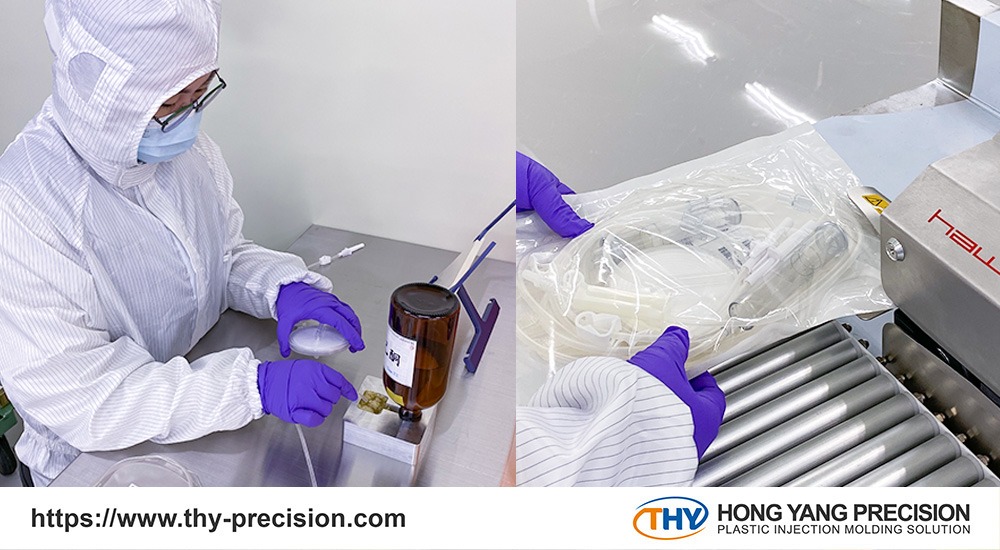
High-quality medical device assembly depends on more than skilled operators. It also requires the right equipment to support precision, repeatability, inspection, and stable production quality. Below are some of the key tools and equipment used to keep medical device assembly precise, consistent, and controlled.
● Automated Assembly Machines
Automated assembly machines improve consistency in high-volume production and applications involving small, complex components. They can handle feeding, positioning, pressing, bonding, labeling, and packaging with greater repeatability than manual processes.
For medical device OEMs, automation helps reduce operator variation, stabilize output, and support tighter process control.
● Ultrasonic Welding Systems
Ultrasonic welding is often used to join plastic medical components without adhesives or mechanical fasteners. The process uses high-frequency vibration and pressure to create a strong, clean bond between compatible materials. It is especially useful for products that require secure sealing, structural stability, or a cleaner joining method.
● Precision Testing and Measurement Devices
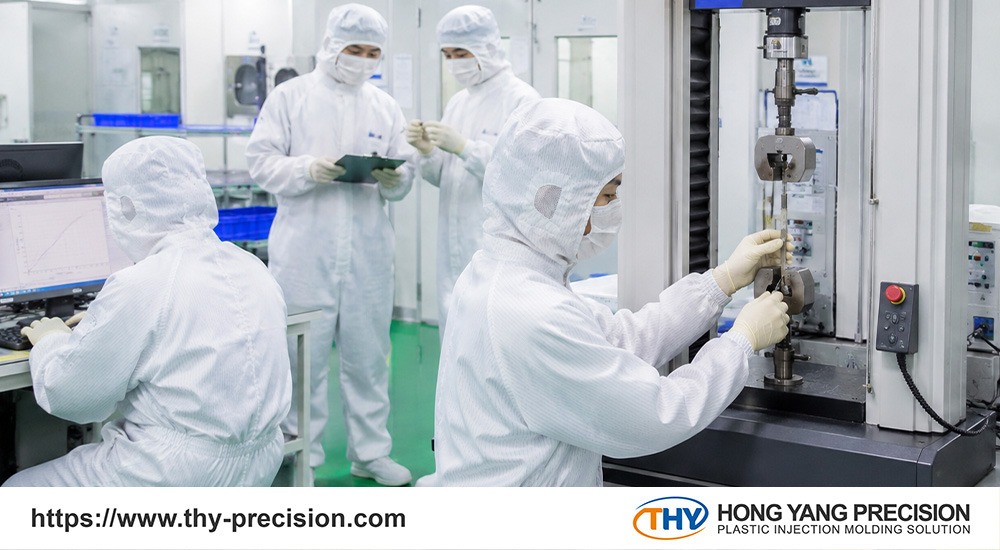
Testing and measurement devices verify whether assembled products meet required specifications before they move to the next stage. Depending on the device, this may include dimensional inspection, leak testing, pull-force testing, pressure testing, or functional testing.
● Visual Inspection and Machine Vision Systems
Visual inspection and machine vision systems help identify issues such as misalignment, missing components, surface defects, incorrect labeling, or incomplete bonding.
● Custom Jigs, Fixtures, and Ergonomic tools
Custom jigs and fixtures keep components properly positioned during assembly, testing, and inspection. Ergonomic tools also help operators work more safely and consistently in manual or semi-automated processes. Together, these tools reduce handling variation, improve accuracy, and support stable production quality.
Further Reading: LSR Injection Molding
How to Select the Right Medical Device Assembly Partner?
Choosing the right medical device assembly partner is not only about production cost. For OEMs, the right partner should be able to support quality, cleanliness, documentation, scalability, and long-term manufacturing stability. Below are several key factors to evaluate before moving forward with a contract manufacturer.
● Cleanroom Capabilities
Cleanroom capability is one of the first things OEMs should review, especially for devices that require controlled contamination levels. A qualified partner should offer suitable cleanroom environments, such as ISO Class 7 or ISO Class 8 cleanrooms, based on the device type, assembly process, and cleanliness requirements.
These cleanroom classes are defined under ISO 14644-1, which classifies air cleanliness by the concentration of airborne particles in cleanrooms and clean zones.
● Quality Certifications
Quality certifications help show whether a manufacturer has established systems for process control, documentation, traceability, and continuous improvement. For medical device assembly, ISO 13485 is a key indicator that the manufacturer operates under a medical device-focused quality management system.
ISO 9001 adds another layer of process discipline, supporting consistent production, documentation, and continuous improvement.
● Technical Expertise & In-House Capabilities
A strong assembly partner should know how to turn a device concept into a stable, manufacturable product. When tooling, molding, assembly, testing, and inspection are handled in-house, OEMs can reduce handoffs, speed up communication, and keep the process more tightly controlled.
This level of integration is especially valuable when a project requires design feedback, process refinement, or quick troubleshooting during development and production.
● Production Flexibility & Scalability
Medical device programs rarely stay at one volume forever. A project may start with pilot builds or validation batches, then move into higher-volume production as demand increases. The right assembly partner should be able to adapt its setup around product complexity, timeline, and order volume.
● Proven Track Record & Consistent Quality Performance
In medical device assembly, experience matters because small process gaps can affect performance, compliance, and customer confidence. OEMs should look for a partner with a strong medical manufacturing background, reliable quality performance, and a proven ability to manage controlled production requirements.
Why THY Precision Is a Strong Partner for Medical Device Assembly?
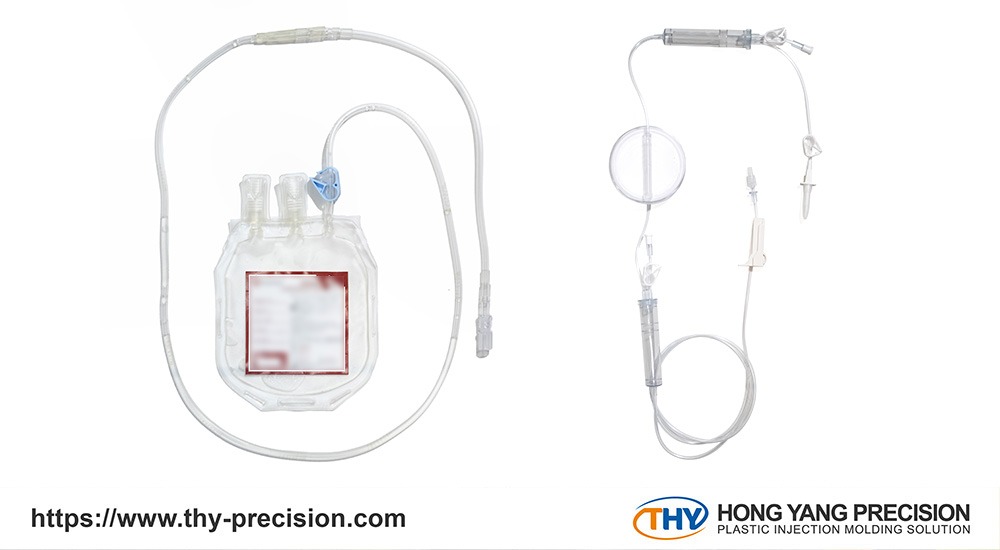
For OEMs, the right medical device assembly partner should bring together cleanroom control, process integration, and dependable quality systems. This is where THY Precision stands out.
THY Precision supports medical device projects with ISO Class 7 and ISO Class 8 cleanroom assembly, helping OEMs meet different cleanliness requirements based on product type and application. Its ISO Class 8 molding capability also adds value by keeping upstream component production closely connected to the assembly process.
THY Precision also brings key processes in-house, including molding, assembly, testing, and inspection. With fewer handoffs between suppliers, OEMs can improve communication, shorten response times, and maintain better control over production quality.
Combined with medical-grade quality systems, automated assembly lines, and large facility capacity, THY Precision gives OEMs a reliable path from early development to scalable production.
For companies looking for a medical device assembly partner, this integrated approach helps reduce risk while supporting consistent, long-term manufacturing performance. Contact us today to discuss your medical device assembly project and discover how our integrated solutions can support your production.
FAQ
Q1: What is the difference between medical device assembly and general industrial assembly?
Medical device assembly involves a higher level of precision, cleanliness, documentation, and process control than general industrial assembly. Since medical devices may be used in diagnosis, treatment, monitoring, or direct patient care, every assembly step must be controlled to limit variation and support regulatory readiness.
Q2: Does every medical device require cleanroom assembly?
No. Cleanroom assembly is not required for every medical device. It depends on the device type, intended use, sterility requirements, and contamination control needs.
For products with stricter cleanliness requirements, ISO Class 7 or ISO Class 8 cleanroom assembly may be used to help control airborne particles and protect product quality.
Q3: What factors affect the cost of medical device assembly?
The cost of medical device assembly depends on product complexity, automation level, cleanroom class, testing requirements, tooling needs, and production volume. Devices with tighter tolerances, more inspection steps, or specialized assembly equipment typically require higher assembly costs.
Q4: Can a contract manufacturer handle both molding and assembly?
Yes. A contract manufacturer with both molding and assembly capabilities can make production easier to manage. By keeping molding and assembly under one roof, OEMs can reduce supplier handoffs, improve communication, and maintain better quality control from component production to final assembly.
THY Precision supports in-house molding, assembly, testing, and inspection, giving OEMs a more streamlined path to production.
Further Reading:
What Are Single-Use Medical Devices and Why Do They Matter?
How Precision Manufacturing Supports In Vitro Diagnostic Medical Devices